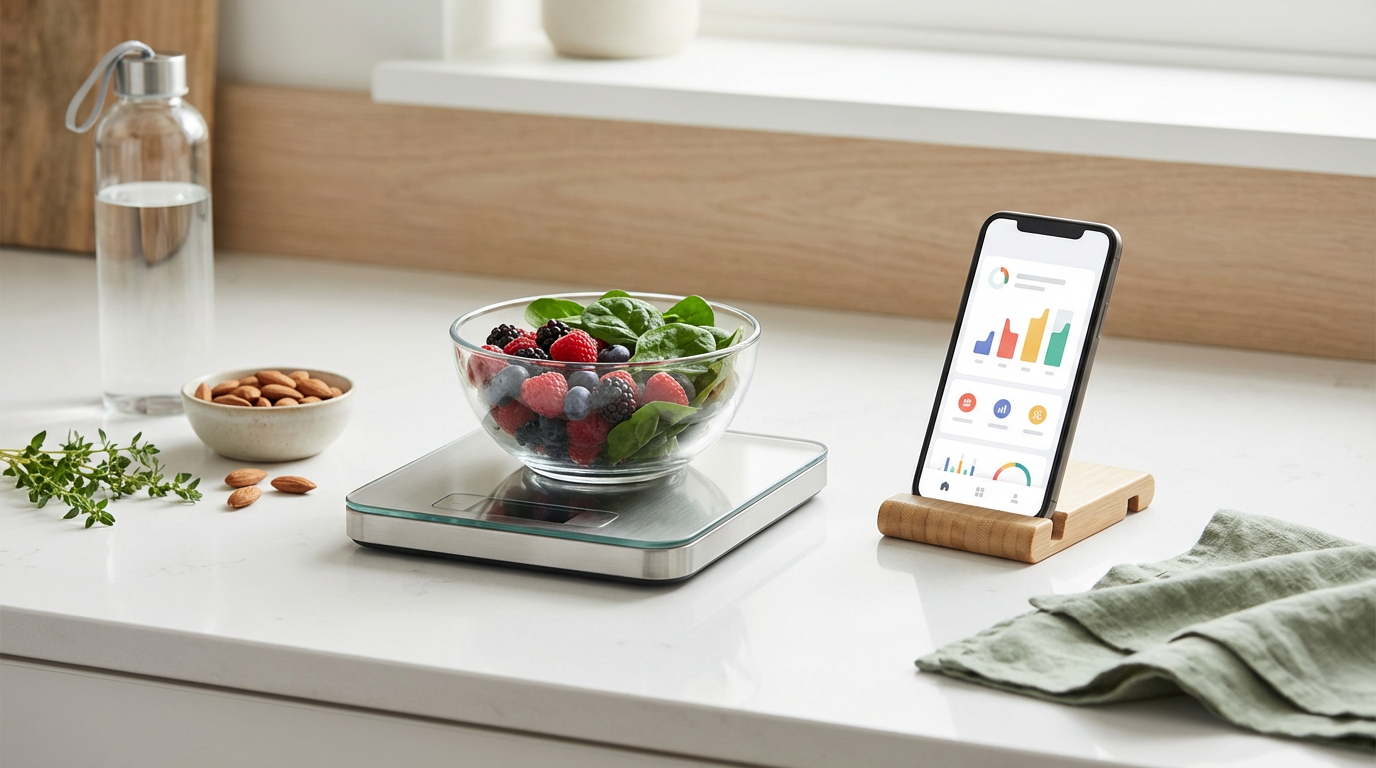
12 Non-Weight Victory Metrics to Track Your Progress
12 Non-Weight Victory Metrics to Track Your Progress Beyond the Scale
The scale hit the same number for the third week straight. Your stomach drops. All that effort—meal prep, workouts, saying no to dessert—and nothing to show for it?
Here's the truth: the scale lies. It can't tell the difference between fat loss and muscle gain. It doesn't know you're sleeping better or that your jeans fit looser. These non-weight victory metrics reveal the real story of your transformation.
Your body changes in dozens of ways that never show up on a scale. Tracking these victories keeps you motivated during plateaus and helps you see progress when the numbers feel stuck.
Why Weight Loss Progress Without Scale Matters More
Your weight fluctuates 2-5 pounds daily based on water retention, food timing, hormones, and stress. According to the Mayo Clinic, these fluctuations can mask real fat loss for weeks.
Meanwhile, your body composition shifts dramatically. You might lose 2 pounds of fat while gaining 1 pound of muscle. The scale shows 1 pound lost, but you've actually made incredible progress.
This is why smart trackers focus on multiple metrics. They paint a complete picture of health improvements that matter more than any single number.
The 12 Most Powerful Non-Weight Victory Metrics
Physical Measurements and Body Recomposition Tracking
1. Body Measurements
Your tape measure tells stories the scale can't. Measure these spots monthly:
- Waist (at narrowest point)
- Hips (at widest point)
- Chest/bust
- Arms (flexed)
- Thighs (largest point)
Take measurements first thing in the morning before eating. Even when weight stays flat, you might lose 2 inches from your waist while gaining muscle in your arms.
2. Progress Photos
Your mirror lies as much as your scale. You see yourself daily, making gradual changes invisible. Photos capture what you miss.
Take weekly photos in the same lighting, same poses, same clothes. Front, side, and back views work best. After 4-6 weeks, the changes become undeniable.
3. How Clothes Fit
Your "reference outfit" never lies. Pick fitted jeans or a snug shirt as your measuring stick. Notice how the waistband sits, where fabric pulls, how shoulders feel.
Sarah, a Qalzy user, kept the same dress in her closet for months. "The scale barely moved, but that dress went from tight to loose to needing a belt," she says.
4. Body Fat Percentage
This metric separates fat loss from muscle gain better than any other measurement. Use DEXA scans, bod pods, or smart scales with bioelectrical impedance.
While home devices aren't perfectly accurate, they track trends well. Losing 3% body fat while maintaining weight means you've gained muscle—a huge win.
Performance and Energy Fat Loss Milestones
5. Strength Gains
Muscle growth requires energy. Your body burns more calories maintaining muscle than fat. Track these strength markers:
- How many push-ups you can do
- Plank hold duration
- Heaviest weights lifted
- Workout recovery time
Getting stronger while losing fat proves you're doing everything right.
6. Endurance Improvements
Cardiovascular fitness improves rapidly with fat loss. Your heart works more efficiently. Your lungs process oxygen better.
Track how you feel during daily activities:
- Climbing stairs without getting winded
- Walking longer distances comfortably
- Playing with kids without fatigue
- Better performance in sports or exercise
7. Energy Levels Throughout the Day
Rate your energy 1-10 at different times:
- Morning wake-up
- Mid-morning
- After lunch
- Late afternoon
- Evening
Healthy fat loss stabilizes blood sugar and improves sleep, leading to consistent energy. No more 3 PM crashes.
8. Sleep Quality
Weight loss improves sleep in multiple ways. Less inflammation, better hormone balance, reduced sleep apnea risk.
Track:
- How quickly you fall asleep
- Number of times you wake up
- How rested you feel in the morning
- Need for afternoon naps
Many people see sleep improvements within 2-3 weeks of consistent healthy habits.
Healthy Habit Metrics and Lifestyle Wins
9. Food Relationship Changes
Your relationship with food transforms during sustainable weight loss. Notice these shifts:
- Eating when hungry, stopping when satisfied
- Choosing nutritious foods because they taste good
- Enjoying treats without guilt or binge cycles
- Cooking more meals at home
These changes predict long-term success better than any scale reading.
10. Consistency Streaks
Small consistent actions compound into massive results. Track streaks like:
- Days hitting protein goals
- Workouts completed per week
- Meals logged accurately
- Adequate water intake
- Bedtime routine followed
With tools like Qalzy's smart tracking, logging becomes effortless. The AI handles the tedious parts so you can focus on building streaks.
11. Stress Management
Chronic stress sabotages weight loss through cortisol spikes and emotional eating. Healthy habits improve stress resilience.
Monitor:
- How you handle work pressure
- Emotional eating frequency
- Time spent on stress-relief activities
- Overall mood stability
12. Health Biomarkers
Your annual physical reveals the most important victories. Fat loss improves:
- Blood pressure
- Cholesterol levels
- Blood sugar control
- Inflammatory markers
- Liver function
These changes reduce disease risk and add years to your life. The CDC reports that even 5-10% weight loss significantly improves health outcomes.
Common Mistakes When Tracking Non-Weight Victory Metrics
Tracking too many things at once. Pick 3-5 metrics that matter most to you. Quality beats quantity.
Expecting linear progress. Your body doesn't change on a schedule. Some weeks bring huge wins, others feel flat. Trust the process.
Comparing your timeline to others. Your genetics, starting point, and lifestyle are unique. Focus on your own progress.
Ignoring small wins. Sleeping 30 minutes better or walking up stairs easier are massive victories. Celebrate them.
Perfectionism paralysis. You don't need perfect data. Consistent tracking beats perfect tracking every time.
How to Start Tracking Your Victory Metrics
Pick your top 3 metrics from the list above. Start simple:
- Week 1-2: Establish baseline measurements
- Week 3-4: Look for early trends
- Month 2: Celebrate first major wins
- Month 3+: Adjust goals based on progress
Use whatever tools work for you. A simple notebook beats a fancy app you never open. But if you want effortless nutrition tracking, Qalzy's AI-powered system eliminates the guesswork from meal logging.
The key is consistency, not perfection.
Making It Sustainable Long-Term
The best tracking system is the one you'll actually use. Keep it simple. Focus on trends, not daily fluctuations.
Many successful people track just 2-3 key metrics consistently rather than trying to measure everything. Find your sweet spot.
Remember why you started. It probably wasn't just about a number on the scale. You wanted to feel confident, energetic, and healthy. These victory metrics measure exactly that.
Your Next Steps
The scale will always be there, but it shouldn't be your only judge. Your body is changing in beautiful ways that numbers can't capture.
Start tracking 2-3 non-weight victory metrics this week. Take progress photos. Measure your waist. Notice how you feel after climbing stairs.
If nutrition tracking feels overwhelming, try Qalzy's smart approach. The AI handles the calculations while you focus on building lasting habits.
Your victories are happening right now. It's time to start noticing them.
Frequently Asked Questions
How often should I track non-weight victory metrics? Most metrics work best tracked weekly or monthly. Daily measurements create too much noise and stress. Body measurements and photos monthly, energy levels and sleep weekly.
What if I'm not seeing progress in any metrics? First, ensure you're tracking consistently for at least 4-6 weeks. If still no progress, reassess your calorie deficit, protein intake, and exercise routine. Sometimes you need small adjustments, not major overhauls.
Which victory metrics matter most for fat loss? Body measurements, progress photos, and how clothes fit give the clearest picture of fat loss. These three metrics together rarely lie about your progress.
Can I gain muscle while losing fat? Yes, especially if you're new to strength training or returning after a break. This "body recomposition" might keep your weight stable while dramatically improving your physique.
How do I stay motivated during plateaus? Focus on process victories like hitting protein goals, completing workouts, or sleeping better. These habits create results even when progress feels invisible.
Should I completely ignore the scale? No need to throw it away, but weigh yourself less frequently—maybe weekly instead of daily. Use it as one data point among many, not the ultimate judge of your progress.