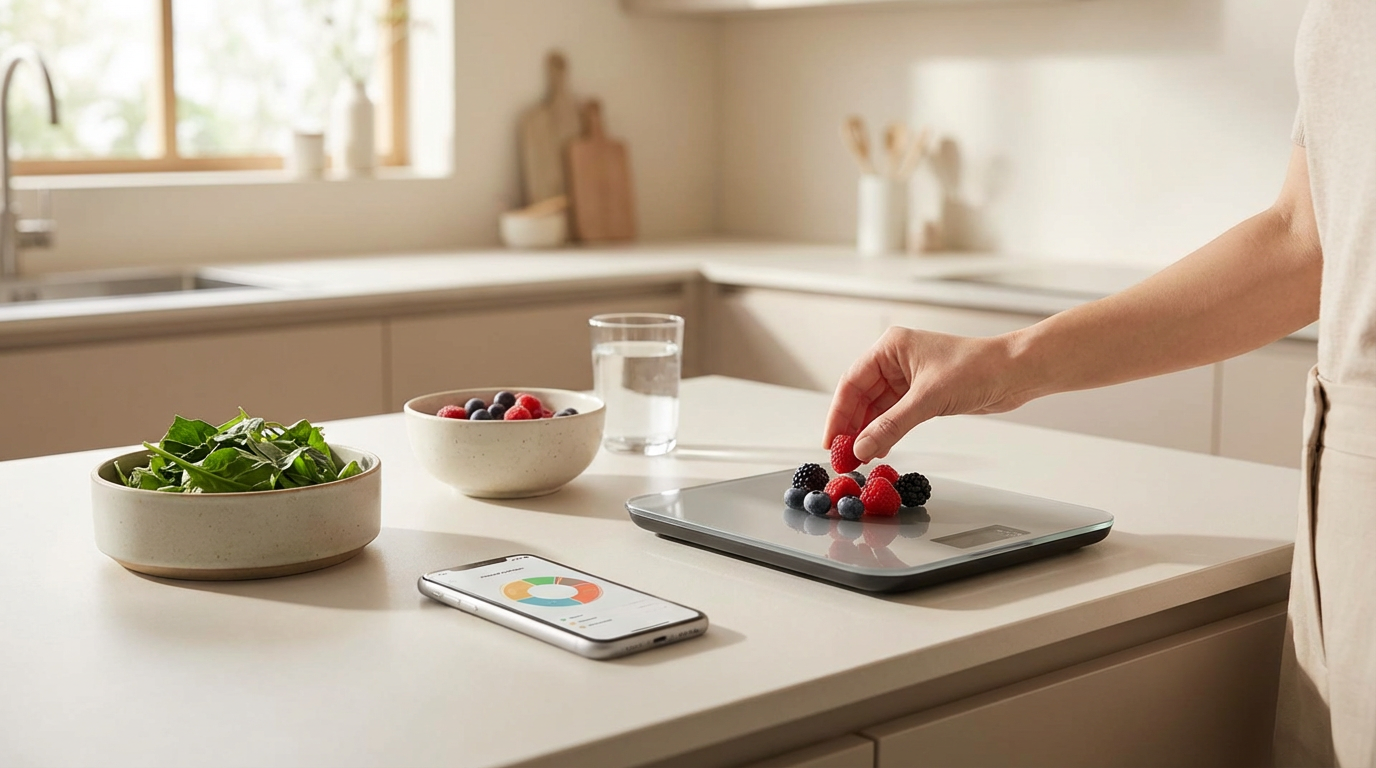
Track Calories Without Obsessing: A Balanced Approach
You know the feeling. You start tracking calories with good intentions, but soon you're weighing every grape and frantically searching databases for "homemade lasagna, medium portion, slightly cheesy." What began as a tool for better health becomes an exhausting mental burden.
The good news? You can track calories without obsessing. It's entirely possible to monitor your intake while maintaining a healthy relationship with food. The key lies in finding the right balance between awareness and flexibility.
Learning to track calories without obsessing isn't about abandoning accountability—it's about creating sustainable habits that support your goals without consuming your thoughts.
Why Calorie Tracking Becomes Obsessive
Before diving into solutions, let's understand why tracking often spirals into obsession. Most people start with an all-or-nothing mindset. They believe perfect accuracy is essential, leading to:
- Weighing every ingredient to the gram
- Avoiding social meals because they can't log accurately
- Feeling guilty about estimated portions
- Spending excessive time searching food databases
- Restricting food choices to "easy to track" options
This perfectionist approach creates stress rather than progress. Your body doesn't need laboratory-precise measurements to respond positively to improved eating habits.
The Foundation: Setting Realistic Expectations
Effective calorie tracking habits start with realistic expectations. Your goal isn't perfect accuracy—it's consistent awareness that guides better choices over time.
Consider this: Even nutrition labels can be off by up to 20% due to natural variations in food. Restaurant portions vary. Your metabolism fluctuates daily. Given these variables, obsessing over perfect precision is both unnecessary and counterproductive.
Instead, aim for "good enough" tracking that you can maintain long-term. This means accepting that some days will be more accurate than others, and that's perfectly fine.
Strategy 1: Focus on Patterns, Not Perfection
Shift your focus from daily precision to weekly patterns. Look at your tracking data as trends rather than absolute numbers. Are you consistently eating enough protein? Do you notice patterns between certain foods and how you feel?
This approach reduces daily pressure while maintaining valuable insights. You might discover that you eat more on Tuesdays or that you feel better when you have protein at breakfast—insights that matter more than knowing you ate exactly 1,847 calories yesterday.
Strategy 2: Use the "Close Enough" Method
Perfect portion measurement isn't always necessary. Learn to estimate portions using visual cues:
- Palm-sized portion of protein
- Fist-sized portion of vegetables
- Cupped hand for carbohydrates
- Thumb-sized portion of fats
These estimates get you close enough for meaningful tracking without requiring a scale for every meal. Over time, your estimating skills will improve naturally.
Strategy 3: Embrace Flexible Dieting Principles
Flexible dieting allows room for imperfection while maintaining progress toward your goals. This means:
- Including foods you enjoy in reasonable portions
- Not labeling foods as "good" or "bad"
- Adjusting other meals when you have an unplanned treat
- Focusing on weekly rather than daily targets
This flexibility prevents the restrictive mindset that often leads to obsessive behaviors.
Mindful Eating: Your Secret Weapon
Mindful eating complements calorie tracking beautifully. When you eat mindfully, you naturally become more aware of hunger and fullness cues, making tracking feel less mechanical.
Practice mindful eating by:
- Eating without distractions like TV or phones
- Chewing slowly and tasting your food
- Pausing mid-meal to assess your hunger level
- Noticing how different foods make you feel
This awareness often leads to naturally appropriate portions, reducing your reliance on strict calorie counting.
Portion Control Tips That Reduce Tracking Stress
Smart portion control tips can minimize the need for precise measurements while keeping your intake reasonable:
Use smaller plates and bowls. This visual trick naturally reduces portions without requiring measurement.
Pre-portion snacks. Instead of eating from large containers, portion snacks into smaller containers when you get home from shopping.
Follow the plate method. Fill half your plate with vegetables, one quarter with protein, and one quarter with carbohydrates. This provides built-in portion control.
Start with smaller portions. You can always get more if you're still hungry, but starting smaller prevents overeating.
Macro Tracking Made Simple
Macro tracking doesn't have to be complicated. Instead of hitting exact numbers, aim for ranges:
- Protein: 25-35% of calories
- Fats: 20-35% of calories
- Carbohydrates: Fill the remainder
Focus on getting adequate protein first, as it's most important for satiety and muscle preservation. Then ensure you're getting enough healthy fats. Carbohydrates can fill the remaining space based on your preferences and activity level.
When to Take Breaks from Tracking
Sustainable weight loss includes planned breaks from intensive tracking. Consider taking breaks when:
- You feel anxious about untracked meals
- Social situations become stressful due to tracking
- You've been tracking consistently for several months
- You notice obsessive thoughts about food increasing
During breaks, rely on the habits you've built: mindful eating, portion awareness, and food choices that align with your goals. Many people find they maintain their progress during short breaks because they've internalized healthy habits.
Technology That Helps Without Overwhelming
The right tools can make tracking easier and less obsessive. Traditional calorie counting apps often require extensive database searching and manual entry, which can become tedious.
Modern solutions like Qalzy's AI-powered kitchen scale streamline the process by automatically recognizing foods and calculating calories and macros. This reduces the time and mental energy spent on logging while maintaining accuracy.
When choosing tracking tools, prioritize:
- Speed and ease of use
- Accurate food databases
- Flexibility for estimates and adjustments
- Features that support your specific goals
Common Mistakes That Lead to Obsession
Avoiding these common pitfalls can help you maintain a healthy relationship with tracking:
Mistake 1: Requiring perfect accuracy Solution: Accept that estimates are often sufficient.
Mistake 2: Tracking every single day indefinitely Solution: Plan periodic breaks and maintenance phases.
Mistake 3: Letting tracking dictate social choices Solution: Prioritize relationships and experiences over perfect logging.
Mistake 4: Ignoring hunger and fullness cues Solution: Use tracking as information, not absolute rules.
Mistake 5: Restricting food variety for easier tracking Solution: Learn to estimate portions of foods you enjoy.
Building Long-Term Success
The goal of calorie tracking should be education and awareness, not permanent dependence. As you track, you're learning:
- Which foods keep you satisfied longer
- How different meals affect your energy levels
- What appropriate portions look like
- How to balance indulgences with nutritious choices
This knowledge becomes internalized over time, reducing your need for detailed tracking while maintaining your results.
Creating Your Personal Tracking Strategy
Your approach to tracking should fit your lifestyle and personality. Some people thrive with detailed macro tracking, while others prefer simple portion awareness. Consider these factors:
- Your schedule and cooking habits
- Your relationship with food and past experiences
- Your specific health and fitness goals
- Your tolerance for detail and measurement
Experiment with different approaches to find what feels sustainable for you. You might track meticulously during the week but estimate on weekends, or track closely for a few weeks then take a maintenance break.
Signs You're Tracking in a Healthy Way
Healthy tracking feels informative rather than restrictive. You know you're on the right track when:
- You can estimate portions without anxiety
- Social meals don't cause stress
- You make adjustments based on hunger and fullness
- You view tracking data as feedback, not judgment
- You maintain flexibility with your food choices
- You can take breaks from tracking without losing control
Moving Forward with Confidence
Remember that the best tracking method is the one you can maintain consistently without sacrificing your mental health or social relationships. Perfect tracking that leads to obsession is less valuable than imperfect tracking that supports long-term healthy habits.
If you're looking for tools that make tracking easier and less time-consuming, consider solutions that automate the tedious parts of the process. Qalzy's nutrition tracking system uses AI to recognize foods and calculate nutrition automatically, letting you focus on eating well rather than database searching.
For additional resources on building sustainable nutrition habits, check out our comprehensive nutrition guides and macro calculator to help establish your baseline needs.
Frequently Asked Questions
How accurate does my calorie tracking need to be? Aiming for 80-90% accuracy is sufficient for most goals. Your body responds to consistent patterns over time, not daily precision.
Should I track calories on weekends? This depends on your goals and preferences. Some people prefer to track consistently, while others find weekend flexibility helps prevent obsessive behaviors. Both approaches can work.
What if I can't find a food in the database? Use the closest match available or estimate using similar foods. Don't let missing database entries prevent you from eating foods you enjoy.
How long should I track calories? This varies by individual, but many people benefit from 2-3 months of consistent tracking to learn portion sizes and food values, followed by periodic check-ins or maintenance phases.
Is it normal to feel overwhelmed when starting to track? Yes, completely normal. Start with just tracking main meals and add snacks later. Focus on building the habit before worrying about perfect accuracy.
Can I maintain my weight without tracking calories? Absolutely. Many people successfully maintain their weight using the portion control and mindful eating skills they learned while tracking, without ongoing detailed logging.
The key to successful calorie tracking lies in finding your personal balance between awareness and flexibility. Start with these strategies, adjust based on what works for your lifestyle, and remember that the goal is building sustainable habits that support your long-term health and happiness.